Overwatch 2
Overwatch 2 gameplay guide
Overwatch 2 is a hero team shooter built around role synergy, ultimate combos, and objective time. Whether you are learning the basics or refining your mid-game optimization, this guide breaks down how the core loop works and where most players lose momentum.
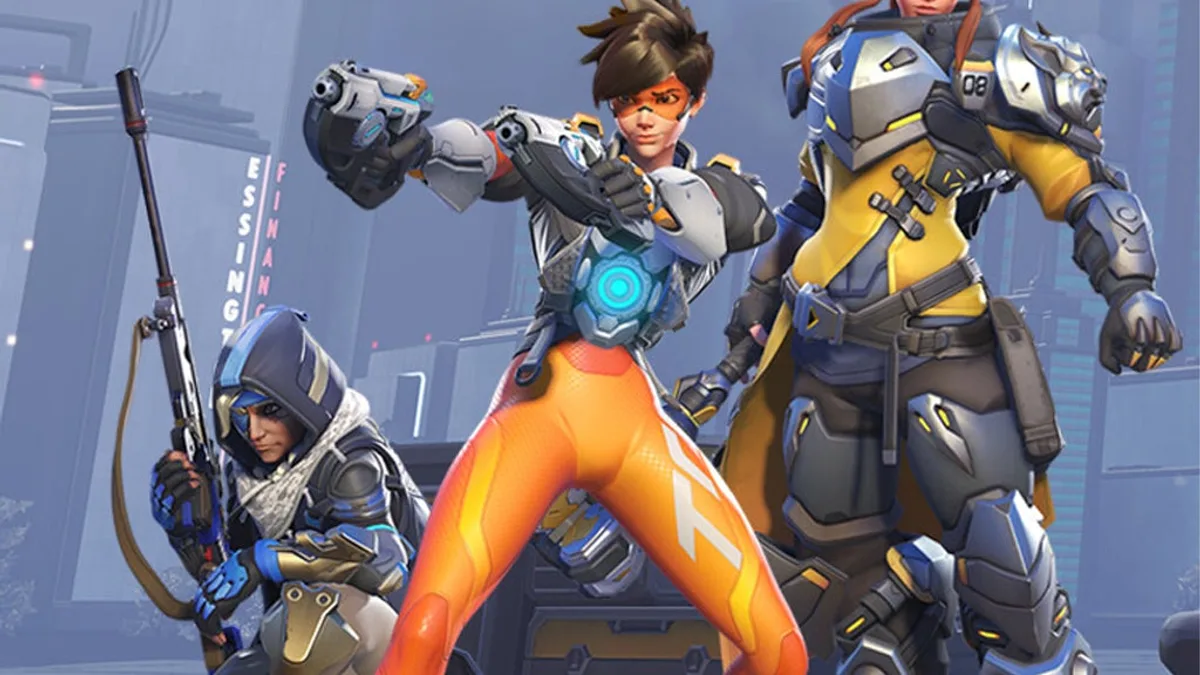
Understanding the Overwatch 2 core loop
At its heart, Overwatch 2 rewards players who respect the core loop: push payloads or hold points using tank, damage, and support ability chains. Matches unfold quickly when you understand these rhythms, and painfully when you treat every engagement the same.
New players often chase highlight plays before they understand mid-game optimization. Slow down, learn one reliable strategy, and let muscle memory build around map flow and resource timing.
Stacks with shot-calling and ult tracking climb faster than solo queue fraggers.
Beginner foundations that actually stick
Learn one hero per role so you can flex when team comps are unbalanced.
Focus on mid-game optimization during your first sessions instead of copying streamer builds. Overwatch 2 punishes rushed decisions — especially when you have not learned safe rotations, healing windows, or extraction timing.
Keep notes after each session: what killed you, what loot you skipped, and where traffic felt heavy. Patterns emerge fast once you review mistakes instead of queueing instantly.
Mid-game habits that separate average from consistent
Track enemy ultimates and play around cooldown windows instead of constant brawling.
Mid-game is where Overwatch 2 players either stabilize or stall. Invest in repeatable habits: check your inventory before pushing, communicate intent with teammates, and rotate before you are forced to.
Objective time often decides close matches more than kill differential.
Advanced decisions under pressure
Win fights off cooldowns — force engagements when your combo is online and theirs is not.
High-skill play in Overwatch 2 is mostly decision-making. The best players win fights they choose, disengage fights they did not initiate, and extract before greed flips a winning run.
Review mid-game optimization after tough losses. Was the mistake positioning, timing, or resource management? Fixing one layer per week compounds faster than chasing new gear alone.
Staying current with updates and meta shifts
Overwatch 2 evolves with balance patches, seasonal events, and community discoveries. Re-test your loadouts after major updates instead of assuming last month’s strategies still dominate.
Follow official patch notes and trusted community breakdowns, then validate changes in low-stakes matches before taking new builds into ranked or high-loot zones.
If you want deeper game updates, walkthroughs, and related resources, you can also explore this resource.